
Struggling With Hypothyroidism –
Even With “Normal” Thyroid Tests?

Fatigue? Brain fog?

Migrains ? Headaches?
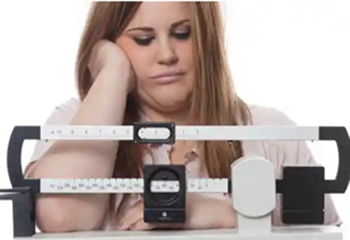
Weight gain?

Hair loss?
RETHINKING HYPOTHYROIDISM
A Modern Approach to Diagnosis and Care
Why Standard Tests Miss the Mark—and Conventional Treatments Fall Short
Are you looking for a more comprehensive and compassionate approach to hypothyroidism, Hashimoto’s thyroiditis, hyperthyroidism, or Graves’ disease?
Here’s How We Can Help
Complex thyroid disorders require more than a one-size-fits-all approach. At Wellness Medical Clinic & Thyroid Treatment Center, we listen to your symptoms and analyze them to pinpoint the root cause of thyroid and associated health conditions. By combining comprehensive testing with your detailed health history, we build a targeted plan tailored specifically to your body’s needs.
Tired of Being Told Your Thyroid Tests Are “Normal”?
Have you ever left a doctor’s office feeling dismissed or discouraged?
You describe persistent fatigue, brain fog, unexplained weight changes, hair loss, constipation, cold intolerance, low mood, anxiety, or other troubling symptoms—only to be told that your TSH is within the standard laboratory range and everything looks fine.
But you don’t feel fine.
We Hear This Story Every Day. We Listen—and We Believe You.
You know your body best. Your symptoms are real, and they deserve to be carefully evaluated.
You should not have to settle for feeling unwell simply because your laboratory results fall within a standard reference range.
Let’s explore why you still don’t feel like yourself—and determine what your next steps may be.
A More Complete Approach to Thyroid Health
We Treat the Patient—Not Just the Lab Results.
Ready to Take a Closer Look at Your Thyroid Health?
909-860-2610
Patient Review Videos
Hear directly from patients who reclaimed their energy, balance, and vitality.
Years of Experience
Patient’s Treated
Patient Rating

Robert W.
Thyroid & Energy

Patrice C.
Hormone Balance

Alex W.
Weight Management
Our Services
Comprehensive, physician-guided care for thyroid and hormone health.

THYROID TREATMENT
Comprehensive evaluation
and treatment for an
underactive or overactive
thyroid

HORMONE REPLACEMENT THERAPY
Restore balance, mood,
energy, and metabolism for
men and women

BIOIDENTICAL HORMONES
Natural, plant-derived
hormones matched to your
body’s chemistry

WEIGHT MANAGEMENT
Physician-guided, metabolic
plans built for sustainable
results

SEXUAL HEALTH
Rebuild confidence and
improve performance with
medical guidance

PEPTIDE THERAPY
Support recovery, metabolism,
and cellular wellness

CHRONIC PAIN TREATMENT
Relief for chronic neck, back,
and joint pain through
integrative care

HEALTHY AGING PROGRAMS
Look and feel your best with
longevity and vitality
strategies
- Menopause Is Not a Disease
Understanding Menopause and Perimenopause
Restore Your Hormonal Balance Naturally

Did you know menopause technically lasts only one day?
Menopause is officially reached when a woman has gone 12 consecutive months without a menstrual period. The years leading up to that milestone are called perimenopause, and the years that follow are known as postmenopause.
Perimenopause can begin 10 or more years before menopause—sometimes as early as the late 30s or 40s—and often brings more disruptive symptoms than menopause itself. Fluctuating hormone levels during this transition can affect energy, sleep, mood, weight, sexual health, and overall quality of life.
Hot flashes, poor sleep, unexplained weight gain, mood changes, and low energy are not simply “part of aging” that you have to endure.
These changes are natural, but that does not mean you must suffer through them.
Restore your balance. Reclaim your vitality. Feel like yourself again.
Ready to Feel Like Yourself Again? Call us today at 909-860-2610 to schedule your
consultation and explore personalized options for menopause and perimenopause support.
909-860-2610
- Restore Energy, Drive & Vitality
Testosterone Replacement
Therapy (TRT) for Men
Testosterone is the primary male hormone that supports libido, energy,
muscle mass, mood, bone density, mental clarity, and overall vitality.
As men age, testosterone levels naturally decline — sometimes enough
to cause noticeable and disruptive symptoms.
Achieve your wellness goals with personalized TRT.
Common Symptoms of Low Testosterone
Low testosterone often shows up in multiple ways, including:
01
Persistent fatigue or low energy
02
Decreased libido or changes in sexual performance
03
Loss of muscle mass or increased body fat
04
Mood changes
05
Reduced motivation
06
Brain fog
These symptoms can have other causes, so a proper medical
evaluation is essential before starting any treatment.
Medical TRT Is Not the Same as Steroid Misuse
Medical Testosterone Replacement Therapy (TRT) is a supervised treatment designed to restore testosterone to a healthy, optimal range — not to push levels artificially high for athletic performance or bodybuilding.
When prescribed and monitored correctly, TRT can safely help men regain energy, drive, and quality of life.
Personalized Bioidentical Testosterone Replacement Therapy
At Dr. Shah’s Wellness Medical Clinic, we offer individualized Testosterone Replacement Therapy using bioidentical testosterone. Your treatment begins with comprehensive lab work and thorough consultation.
This allows us to create a personalized plan that matches your symptoms, lab results, and wellness goals — while carefully monitoring safety and effectiveness.
Ready to Feel Like Yourself Again?
Let us help you restore your energy, drive, and vitality with our customized TRT program.
Call 909-860-2610 today to schedule your consultation.
- Are You Truly Hypothyroid?
Our Thyroid Treatment Philosophy
We Treat the Patient, Not Just the Lab Results
Many people are told their thyroid tests are “normal,” yet they continue to struggle with fatigue, brain fog, weight gain, hair loss, depression, cold
intolerance, and other symptoms. We believe your symptoms matter and deserve answers.
- FAQ
Frequently Asked Questions about Thyroid Health
What are the symptoms of hypothyroidism?
Hypothyroidism symptoms often include fatigue, weight gain, dry skin, hair loss, constipation, depression, and feeling cold. Even if your labs are “normal,” you may still have hypothyroid symptoms that require a more comprehensive evaluation.
What is Hashimoto’s thyroiditis and how it is diagnosed?
Hashimoto’s is an autoimmune thyroid disorder diagnosed through a blood panel, including thyroid antibody testing (TPO and Tg antibodies). Symptoms may include fatigue, weight fluctuations, and brain fog. Early detection is key to managing progression. It is better described as an immune system that is misdirected toward the body’s own thyroid tissue’
If Hashimoto’s is an autoimmune disease, shouldn’t we also address the underlying immune problem?
The short answer: Yes. Conventional doctors treat the consequence (hypothyroidism)—but usually not the autoimmune process itself.
When the immune system becomes misdirected, it can mistakenly attack the body’s own tissues. In Hashimoto’s, the immune system attacks the thyroid and may also increase the risk of developing other autoimmune conditions, such as rheumatoid arthritis, psoriasis, lupus, multiple sclerosis (MS), and celiac disease.
Can thyroid problems cause anxiety and depression?
Yes. Thyroid imbalances can strongly affect mood and mental health. Both hypothyroidism and hyperthyroidism may lead to anxiety, depression, or mood swings because thyroid hormones regulate brain function and neurotransmitters.
What is a complete thyroid panel?
A complete thyroid panel includes TSH, Free T3, Free T4, Reverse T3, and thyroid antibodies. This full picture helps identify thyroid imbalances that basic TSH testing may miss.
What is difference between T3 and T4 thyroid hormones?
T4 (thyroxine) is the main hormone produced by the thyroid gland. It acts largely as a storage (precursor) hormone, and much of it is converted into T3 (more biologically active thyroid hormone). T4 is the reservoir; T3 is the hormone that does much of the work. Insufficient T3 can produce symptoms of hypothyroidism in spite of normal T4 level.
Do I need T3 medication if T4-only treatment isn’t working?
Some patients don’t feel better on T4-only medications like levothyroxine. In these cases, combination therapy with T4 and T3 or natural desiccated thyroid (NDT) may provide better symptom relief.
What is reverse T3 (rT3). How it affects health?
Reverse T3 (rT3) is an inactive form of thyroid hormone. Unlike T3, rT3 does not provide the same metabolic effects as active T3.
During illness, significant stress, fasting, inflammation, or other physiological disturbances, thyroid hormone conversion can change, with more T4 being directed toward rT3 and less toward active T3.
When this occurs, a person may have normal T4 and TSH levels but reduced T3 availability, which may be associated with symptoms such as fatigue, low energy, feeling cold, or difficulty concentrating.
Thyroid function is more than a TSH number. Symptoms, Free T4, Free T3, and, rT3 should be considered as part of the complete clinical picture.
How does stress affect thyroid health?
Chronic stress impacts adrenal function, which is closely tied to thyroid performance. Supporting your stress response and adrenal health is an important step in restoring optimal thyroid function.
Can lifestyle changes improve thyroid function?
Yes. While medication may be necessary for many thyroid conditions, nutrition, stress management, sleep, and exercise all play a vital role in supporting thyroid health and improving overall well-being.
- Patient Testimonials
Comprehensive and Compassionate Health
Care Designed Around Balancing Your
Thyroid and other Hormones to Regain
True Health and Vitality
★★★★★
”
“I finally feel like myself again. Dr.
Shah and his team took the time to
listen and built a plan around me —
my energy and focus have completely
returned.”
Linda M.
Diamond Bar
★★★★★
”
“I finally feel like myself again. Dr.
Shah and his team took the time to
listen and built a plan around me —
my energy and focus have completely
returned.”
Linda M.
Diamond Bar
★★★★★
”
“I finally feel like myself again. Dr.
Shah and his team took the time to
listen and built a plan around me —
my energy and focus have completely
returned.”
Linda M.
Diamond Bar
★★★★★
”
“I finally feel like myself again. Dr.
Shah and his team took the time to
listen and built a plan around me —
my energy and focus have completely
returned.”